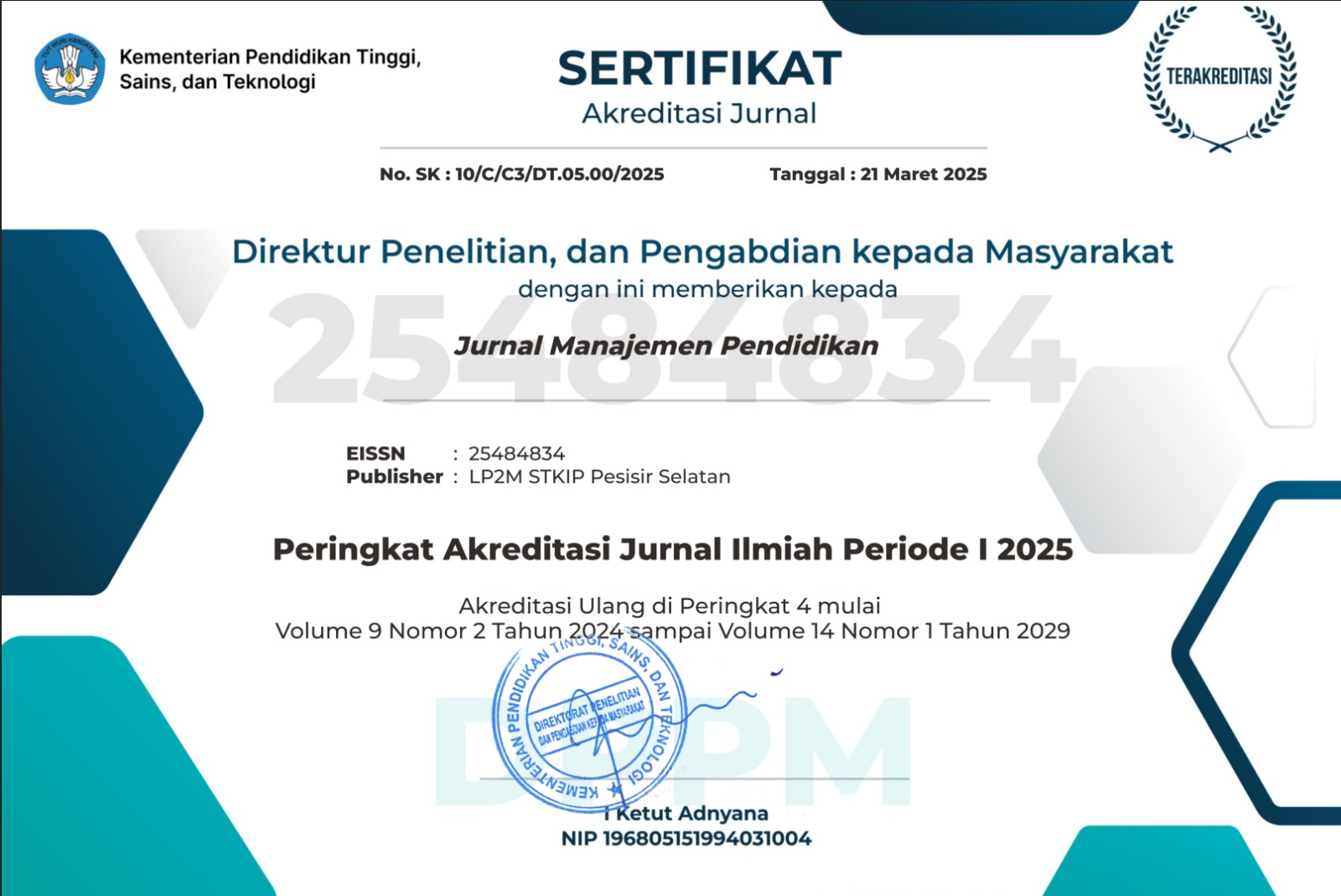
EVALUASI PENYELENGGARAAN PROGRAM PELATIHAN TATA BOGA MENGGUNAKAN MODEL CIPPO DI SPNF SKB UNGARAN
DOI:
https://doi.org/10.34125/jmp.v11i2.2041Keywords:
Evaluasi CIPPO, Pendidikan Non Formal, Pelatihan Vokasional, Pendidikan Kecakapan HidupAbstract
This study evaluates the culinary training program at SPNF SKB Ungaran using the CIPPO (Context, Input, Process, Product, Outcome) evaluation model. A qualitative evaluative approach was employed, involving the head of the institution, program managers, instructors, and two alumni selected through purposive sampling. Data were collected through in-depth interviews, observation, and documentation, and analyzed using an interactive data analysis model. The findings reveal that the program is aligned with community needs and local economic potential, particularly in supporting micro-scale culinary entrepreneurship. The input component demonstrates adequate instructor qualifications, sufficient learning facilities, and a needs-based curriculum design. The learning process emphasizes practical activities (80%) over theoretical instruction (20%), contributing to significant improvements in participants' technical competencies and self-confidence. The product evaluation indicates enhanced cognitive, psychomotor, and affective competencies. At the outcome level, interviewed alumni have successfully developed independent culinary businesses, reflecting positive economic empowerment. This study contributes by applying the CIPPO model to evaluate nonformal vocational training programs at SKB, with emphasis on long-term entrepreneurial outcomes within life skills education framework.
References
Akhadi, D. Y., & Shofwan, I. (2024). Evaluation of the CIPP Model of The Sewing Training Program. Journal of Nonformal Education, 10(1), 33–48. https://doi.org/10.15294/jone.v10i1.1723
Antika, G. A., Kurnia, D., & Munawaroh, S. (2022). Analisis Kritis Terkait Efektivitas Program Pelatihan Dan Produktivitas Tenaga Kerja Dalam Mengurangi Angka Pengangguran Oleh Dinas Tenaga Kerja Kota Cimahi Pada Masa Covid-19 Tahun 2021. Jurnal Caraka Prabu, 6(1), 42–64. https://doi.org/10.36859/jcp.v6i1.1051
Baroud, N., Alouzi, K., Elfzzani, Z., Ayad, N., & Albshkar, H. (2024). Educators’ Perspectives on Using (AI) As A Content Creation Tool in Libyan Higher Education: A Case Study of The University of Zawia. JERIT: Journal of Educational Research and Innovation Technology, 1(2), 61–70. https://doi.org/10.34125/jerit.v1i2.12
Carter, N., Bryant-Lukosius, D., DiCenso, A., Blythe, J., & Neville, A. J. (2014). The Use of Triangulation in Qualitative Research. Oncology Nursing Forum, 41(5), 545–547. https://doi.org/10.1188/14.ONF.545-547
Ciptaningtyas, A., Yetti, E., & Hartati, S. (2020). Metode Pelatihan dan Persistensi Berpengaruh terhadap Kompetensi Pedagogik Guru PAUD. Jurnal Obsesi : Jurnal Pendidikan Anak Usia Dini, 4(2), 686. https://doi.org/10.31004/obsesi.v4i2.440
Creswell, J. W. (2014). Research Design: Qualitative, Quantitative, and Mixed Methods Approaches. SAGE Publications.
Daud, D., Nuramal, N., Akob, R. A., Agus, A., Mispa, S., Mochtar, S., & Pongkapadang, G. L. (2025). Pelatihan Keterampilan Tata Boga dan Manajemen Usaha untuk Peningkatan Ekonomi Keluarga di Desa Sanrobone, Takalar. Kesejahteraan Bersama: Jurnal Pengabdian Dan Keberlanjutan Masyarakat, 2(3), 16–24.
Elice, D., Pahrudin, A., Syafril, S., Koderi, K., & Patimah, S. (2023). Analisis Kebutuhan Pelatihan Keterampilan Abacus Aritmatika Bagi Guru Madrasah. Jurnal Isema : Islamic Educational Management, 8(2), 189–198. https://doi.org/10.15575/isema.v8i2.31277
Fachrurrozie, F., Wahyudin, A., Widiyanto, W., Nurkhin, A., & Feriady, M. (2021). Peningkatan Keterampilan Santripreneur Melalui Pelatihan Olah Limbah Kayu Menjadi Produk Yang Bernilai Ekonomis. Jurnal Pengabdian Al-Ikhlas, 7(2). https://doi.org/10.31602/jpaiuniska.v7i2.6218
Halisa, N. N. (2020). Peran Manajemen Sumber Daya Manusia “Sistem Rekrutmen, Seleksi, Kompetensi dan Pelatihan” Terhadap Keunggulan Kompetitif: Literature Review. ADI Bisnis Digital Interdisiplin Jurnal, 1(2 Desember), 14–22. https://doi.org/10.34306/abdi.v1i2.168
Ifnaldi, I. (2021). PENDIDIKAN KECAKAPAN HIDUP. Dar El-Ilmi : Jurnal Studi Keagamaan, Pendidikan Dan Humaniora, 8(2), 170–188. https://doi.org/10.52166/darelilmi.v8i2.2911
Indarthi, A. W., Fakhruddin, F., Arbarini, M., Febrianto, R. A., & Agoro, S. (2025). Implementation of the CIPPO Evaluation Model in Culinary Training. Journal of Nonformal Education, 11(1), 140–152. https://doi.org/10.15294/jone.v11i1.11015
Iskandar, M. Y., Nugraha, R. A., Halimahturrafiah, N., Amarullah, T. A. H., & Putra, D. A. (2024). Development of Android-Based Digital Pocketbook Learning Media in Pancasila and Citizenship Education Subjects For Class VIII SMP . JERIT: Journal of Educational Research and Innovation Technology, 1(2), 51–60. https://doi.org/10.34125/jerit.v1i2.13
Kheryadi, K., Suseno, M., & Setiadi, S. (2022). Evaluasi Program Public Speaking “Muhadarah” Dengan Model (CIPP) Context, Input, Process And Product Pada Tingkat Sekolah Dasar. Jurnal Holistika, 6(1), 14. https://doi.org/10.24853/holistika.6.1.14-23
Kusmiyati, N., Hamidah, & Kadir. (2023). CIPPO Model Evaluation on the English Language Training Program At the Indonesian Navy Education Services. IJHCM (International Journal of Human Capital Management), 7(1), 104–114. https://doi.org/10.21009/IJHCM.07.01.8
Miles, M. B., Huberman, A. M., & Saldana, J. (2014). Qualitative data analysis: A methods sourcebook. (No Title).
Moleong, L. J., & Surjaman, T. (2014). Metodologi penelitian kualitatif.
Mubai, A., Jalinus, N., Ambiyar, A., Wakhinuddin, W., Abdullah, R., Rizal, F., & Waskito, W. (2021). Implementasi Model Cipp Dalam Evaluasi Kurikulum Pendidikan Teknik Informatika. EDUKATIF : JURNAL ILMU PENDIDIKAN, 3(4), 1383–1394. https://doi.org/10.31004/edukatif.v3i4.549
Ningrum, N. A., Pratow, N. M., & Mulyati, D. J. (2024). Pengaruh Anggaran Keuangan Terhadap Efisiensi Pengelolaan Keuangan Program Pelatihan Kerja Pada UPT Balai Latihan Kerja Surabaya. Musytari: Neraca Manajemen, Akuntansi, Dan Ekonomi, 6(8), 81–90. https://doi.org/10.8734/musytari.v6i8.4563
Noor, N., Suherman, S., & Ganiadi, M. (2024). Ketercapaian Program Pelatihan Tata Boga Melalui Implementasi Evaluasi Model CIPP (Context, Input, Process, Product) di LPK Hesar Kota Cilegon. Jurnal Ilmiah Profesi Pendidikan, 9(2), 671–678. https://doi.org/10.29303/jipp.v9i2.2139
Purnawirawan, O., Chintya, P. P., & Sholihah, M. (2020). The Application of CIPPO Evaluation Model in Evaluating the Performance of School for Producing Entrepreneurs Programs in Vocational High School. Proceedings of the International Conference on Science and Education and Technology (ISET 2019). https://doi.org/10.2991/assehr.k.200620.075
Semarang, B. P. S. K. (2024). Kabupaten Semarang dalam Angka 2024. Badan Pusat Statistik Kabupaten Semarang. https://semarangkab.bps.go.id/id/publication/2024/02/28/2d6bbc1d6d92dc61cea4291a/kabupaten-semarang-dalam-angka-2024.html
Dewi, S. A. S, & Muarifuddin. M. (2024). Pengelolaan Program Pelatihan pada Sanggar Seni Greget Semarang. CENDEKIA: Jurnal Ilmu Sosial, Bahasa Dan Pendidikan, 5(1), 78–90. https://doi.org/10.55606/cendekia.v5i1.3361
Sobar, A., Permadi, I., Alhidayatullah, A., & Fathussyaadah, E. (2023). Peningkatan Kualiatas Produk Dan Layanan UMKM Untuk Meningkatkan Daya Saing. JMM (Jurnal Masyarakat Mandiri), 7(4), 3782. https://doi.org/10.31764/jmm.v7i4.16383
Sugiyono. (2017). Metode Penelitian Kuantitatif, Kualitatif, dan R&D. Alfabeta.
Syamsiar, H., Muzakki, M., Ratnaya, I. G., & Widiana, I. W. (2023). Evaluasi kurikulum merdeka belajar berbasis CIPP. Journal of Education and Instruction (JOEAI), 6(2), 536–544. https://doi.org/https://doi.org/10.31539/joeai.v6i2.7711
Undang-Undang Republik Indonesia Nomor 20 Tahun 2003 Tentang Sistem Pendidikan Nasional (2003).
Widayanto, L. D., Soeharto, S., Sudira, P., Daryono, R. W., & Nurtanto, M. (2021). Implementation of the Education and Training Program seen from the CIPPO Perspective. Journal of Education Research and Evaluation, 5(4), 614. https://doi.org/10.23887/jere.v5i4.36826