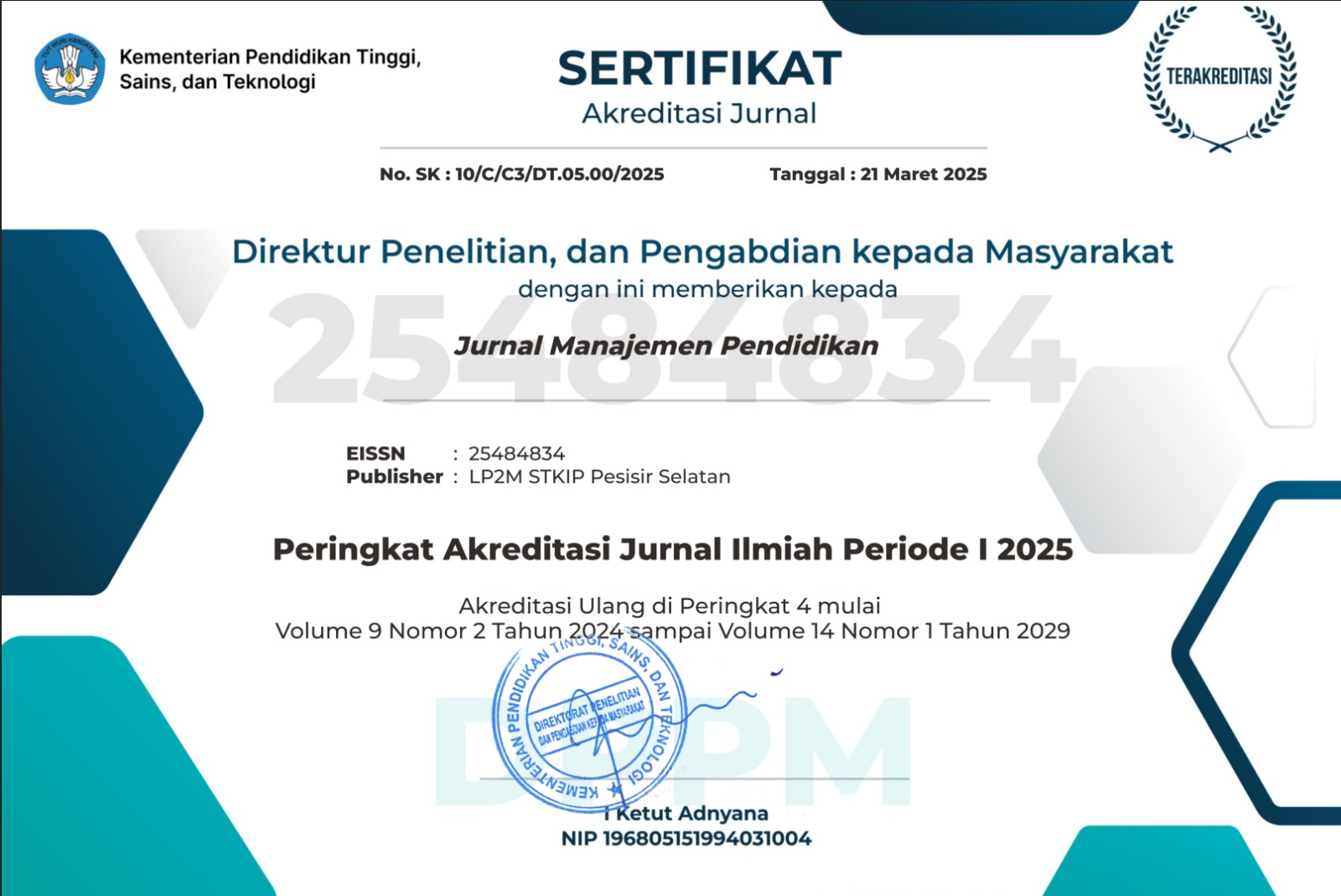
BELAJAR MENAVIGASI KETEGANGAN STRATEGIS: PERAN INTERAKSI SOSIAL DALAM MENGEMBANGKAN ENTREPRENEURIAL PARADOX MINDSET (STUDI KASUS KOMUNITAS TDA MAKASSAR)
DOI:
https://doi.org/10.34125/jmp.v11i4.3467Keywords:
Entrepreneurial Paradox Mindset, Entrepreneur community, Start-up resilience, Social learning, TDA Makassar.Abstract
Main Objectives: This study aims to explore how informal entrepreneurial communities, specifically Tangan Di Atas (TDA) Makassar, foster an Entrepreneurial Paradox Mindset (EPM) among early-stage entrepreneurs operating outside formal startup accelerator ecosystems. Background Problems: Early-stage entrepreneurs face persistent strategic paradoxes requiring specific cognitive capabilities to navigate. However, empirical research examining EPM development within informal social networks remains limited, particularly in Eastern Indonesia where venture capital access and institutional support are constrained. Novelty: This study identifies the mechanism of "cerot/ cerita otentik" (authentic storytelling) as a emotionally charged, context-rich form of vicarious learning, while demonstrating that frugal innovation serves as a structural necessity rather than merely a strategic choice in resource-constrained regions. Research Methods: Employing an inductive qualitative design following the Gioia methodology, data were collected from 10 early-stage entrepreneurs active in TDA Makassar through in-depth interviews using the Critical Incident Technique, participant observations, and document analysis. Finding/Results: The study uncovers four core strategic paradoxes (Indeterminate Experimentation, Fragmented Persistence, Run while Waiting, and Grow while remaining Small) and highlights the community's role as a cognitive safe space facilitating EPM through authentic narrative sharing and collective reflection.
References
Bingham, C. B., & Eisenhardt, K. M. (2011). Rational heuristics: The 'simple rules' that strategists learn from process experience. Strategic Management Journal, 32(13), 1437-1464.
Chell, E. (2004). Critical incident technique. In C. Cassell & G. Symon (Eds.), Essential Guide to Qualitative Methods in Organizational Research (pp. 45-60). London: Sage Publications.
Fauzi, A. R., & Mulyadi, D. (2023). Peran mentoring sebaya dalam pengembangan kompetensi wirausaha muda. Jurnal Pendidikan dan Ekonomi, 9(1), 34-52.
Ghina, A., & Hatammimi, J. (2025). Service innovation in resort management: The case of a tourism firm in Indonesia. Jurnal Manajemen Teknologi, 24(2), 1-18.
Gioia, D. A., Corley, K. G., & Hamilton, A. L. (2013). Seeking qualitative rigor in inductive research: Notes on the Gioia methodology. Organizational Research Methods, 16(1), 15-31.
GP, R., Sinha, R. S., Paul, A., & Jayanth, R. S. S. (2022). How does pandemic force social enterprises to evolve? -- A case study of ThankUFoods. Emerald Emerging Markets Case Studies, 12(3), 1-21.
Hidayat, T., & Nugroho, A. (2024). Dinamika ketahanan usaha mikro dan kecil di Indonesia timur: Peran modal sosial. Jurnal Pengembangan Wirausaha, 12(2), 112-130.
Holcomb, T. R., Ireland, R. D., Holmes Jr, R. M., & Hitt, M. A. (2009). Architecture of entrepreneurial learning: Exploring the link among heuristics, knowledge, and action. Entrepreneurship Theory and Practice, 33(1), 167-192.
Lestari, D. P., & Subagja, I. K. (2023). Eksperimentasi strategis dan pembelajaran organisasi pada startup teknologi di Indonesia. Jurnal Inovasi dan Bisnis, 11(1), 45-63.
Lincoln, Y. S., & Guba, E. G. (1985). Naturalistic Inquiry. Beverly Hills, CA: Sage Publications.
Miron-Spektor, E., Ingram, A., Keller, J., Smith, W. K., & Lewis, M. W. (2018). Microfoundations of organizational paradox: The problem is how we think about the problem. Academy of Management Journal, 61(1), 26-45.
Pinelli, M., Pistilli, L., & Cozzolino, A. (2025). Developing the entrepreneurial paradox mindset: The role of startup accelerators and educational programs. Entrepreneurship Theory and Practice, 49(6), 1633-1668.
Rahayu, S., & Hartono, B. (2023). Pembelajaran sosial dalam komunitas wirausaha: Studi kasus pada sentra kerajinan di Yogyakarta. Jurnal Ekonomi dan Bisnis, 26(3), 234-251.
Ries, E. (2011). The Lean Startup. New York: Crown Business.
Saidy, E. N., Yunus, A. R., Anwar, N., & Muslihati, M. (2026). Peran komunitas Young Entrepreneur dalam mengembangkan ekonomi kreatif berbasis syariah di Kota Makassar. Al-Kharaj: Jurnal Ekonomi, Keuangan & Bisnis Syariah, 8(1), 89-105.
Sakti, T. P., Irsandi, & Ilham, M. (2026). Branding, legitimacy, and trust in early growth: Cases study grassroots coffee entrepreneurship. Jurnal Bisnis, Manajemen, dan Bisnis, 7(1), 1-20.
Sinha, R. S. (2022). Baby, I'm addicted! The pleasure-pain pathway that shifts entrepreneurial passion to entrepreneurial addiction. Journal of Business Venturing Insights, 18, e00340.
Sinha, R. S., & Nandakumar, M. K. (2024a). How does daily time pressure fatigue entrepreneurs? The paradoxical effects of growth mindset. Academy of Management Proceedings, 2024(1), 123-134.
Sinha, R. S., & Nandakumar, M. K. (2024b). How do goal orientations impact the feedback process in daily self-regulated entrepreneurial effort? Academy of Management Proceedings, 2024(1), 183-195.
Sinha, R. S., Nandakumar, M. K., & Beal, D. J. (2024c). "I think I can" until I cannot: The double-edged sword of entrepreneur's growth mindsets about willpower and reactions to daily stressors. Frontiers of Entrepreneurship Research, 44, 45-60.
Smith, W. K., & Lewis, M. W. (2011). Toward a theory of paradox: A dynamic equilibrium model of organizing. Academy of Management Review, 36(2), 381-403.
Subekti, P., Hafiar, H., Prastowo, F. X. A. A., & Masrina, D. (2022). Development of entrepreneurial interest in business actors through communication strategies in Pangandaran. Jurnal Kajian Komunikasi, 10(1), 39-51.
Suryana, A. Y., & Kartika, E. (2024). Orientasi kewirausahaan dan ketahanan bisnis pada UMKM pasca-pandemi: Studi pada komunitas usaha kreatif di Indonesia. Jurnal Bisnis dan Manajemen, 21(1), 78-95.
Usman, M., & Wibowo, A. (2023). Peran komunitas wirausaha dalam pengembangan kapabilitas dinamis UMKM di era digital. Jurnal Manajemen dan Kewirausahaan, 25(2), 145-162.
Wahyuni, S., & Putri, R. A. (2024). Komunitas bisnis dan transfer pengetahuan informal: Perspektif modal sosial. Jurnal Manajemen Indonesia, 12(2), 89-106.
Zaman, I. B. (2024). Subjective well-being pada pelaku wirausaha dalam komunitas Yukbisnis. Cerdika: Jurnal Ilmiah Indonesia, 4(6), 456-470.